About

About

Why did I start Tabisuru Makers Lab, and what am I aiming for by “traveling while making things”? Here's the story.

About the workshop

A small mobile workshop that rides on a kei truck.

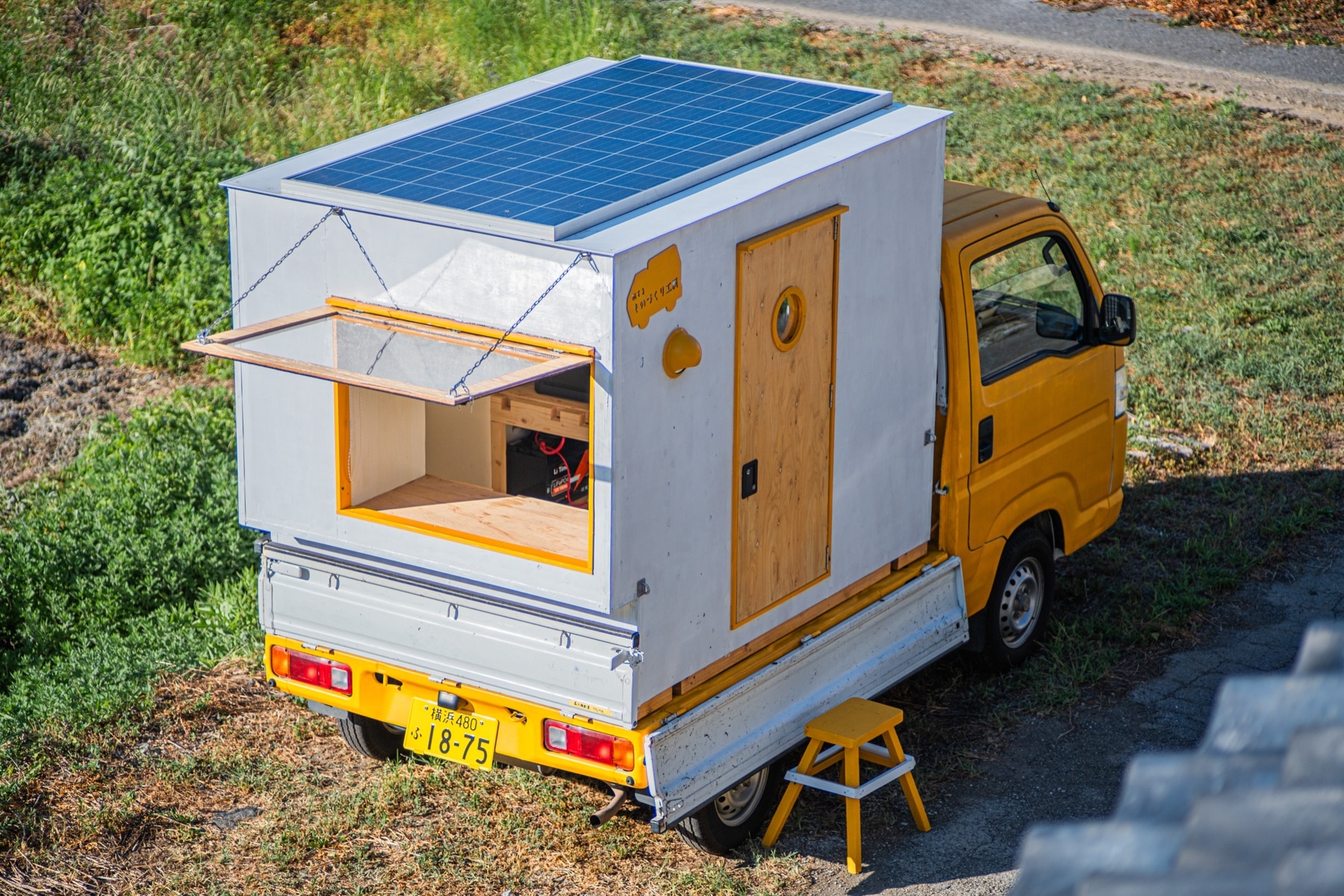
Tabisuru Makers Lab is a DIY-built mobile workshop that rides on the back of a kei truck (a small Japanese truck). Loaded with 3D printers, a laser cutter, tools, and all kinds of equipment for making, it lets me start making right away, wherever I go.

Traveling around Japan with this workshop, I do fieldwork in each community, read the “local character” of the place, and give it form through making.

The kei truck (Honda Acty) of Tabisuru Makers Lab, with solar panels, seen from above
My story

Why did I start Tabisuru Makers Lab?

Every time someone says “There's nothing here,” I think, “There's everything here.”

When I go into a community for fieldwork, residents often tell me, “There's nothing here.” But every time I hear it, I can't help feeling, “No — there's everything.” Everyday customs and ways of living, old timber sleeping in a barn. Things so ordinary to locals that they've become invisible all look fascinating to me, visiting for the first time.

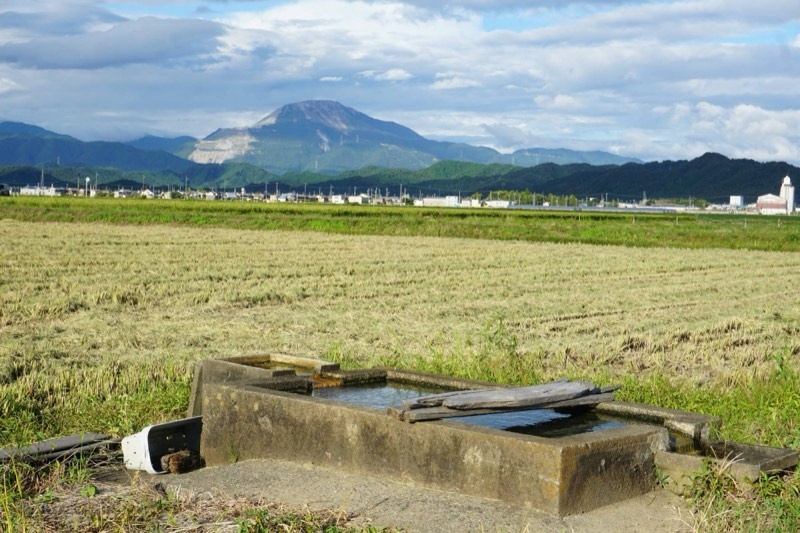
A concrete water tank beside a harvested rice field, with mountains in the back

Yotsugi, Maibara City, Shiga
“Kanabō,” a spring-fed water tank and washing place

Why do I feel this way? It goes back to “vernacular architecture.”

I've always been drawn to sheds I meet on farm roads.

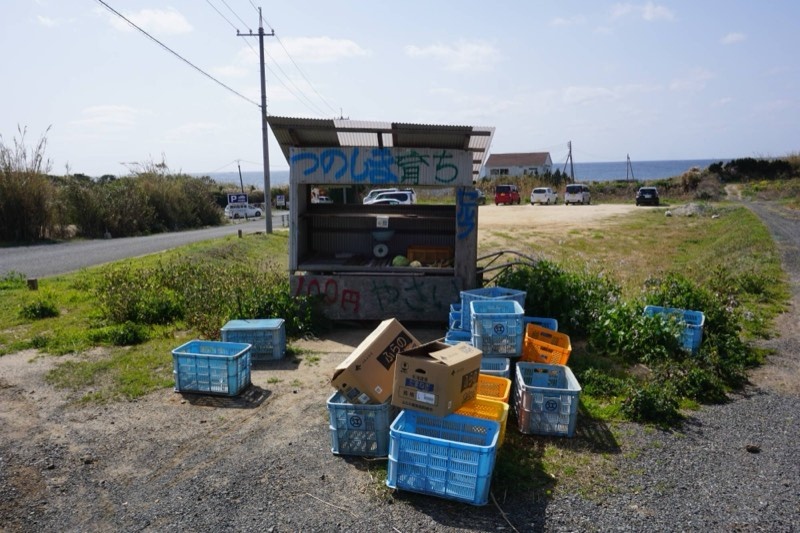
I've studied architecture since my undergraduate years, but I've always been more drawn to the sheds and mysterious contraptions that residents built with their own hands, which you stumble across on farm roads, than to modern architecture by famous architects. Structures no one designed, yet somehow feel “alive.” This kind of architecture is broadly called “vernacular architecture.” As the architect Bernard Rudofsky showed in “Architecture Without Architects,” it exists all over the world.

A handmade unmanned produce stand by the sea, with “Tsunoshima-grown” and “Vegetables” handwritten on it and blue and orange crates stacked in front

Tsunoshima, Yamaguchi Prefecture

Encountering vernacular architecture in India

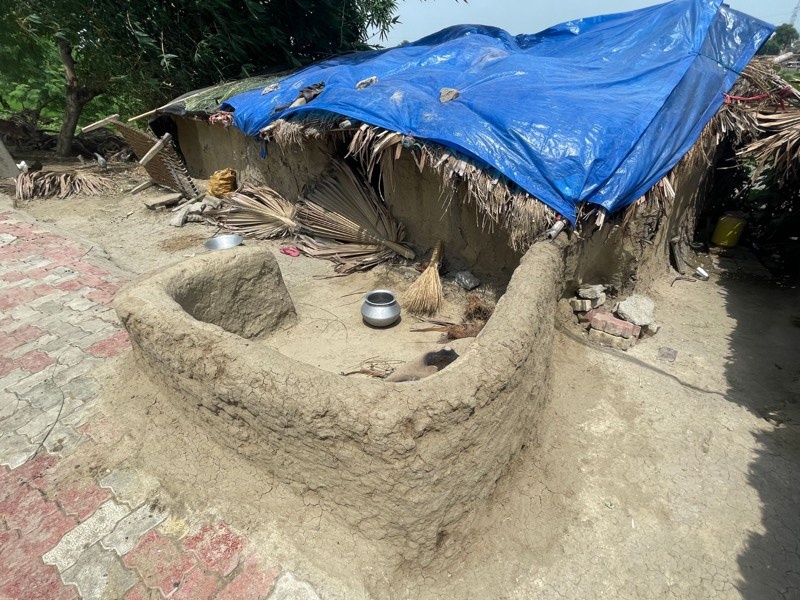
With a hypothesis that I'd find even more amazing vernacular architecture, I went to India in my second year of undergrad. The “mud house” I found in Bodh Gaya is like a clay craft. Want a shelf? Dig into the wall. Want a kitchen? Knead a stove. Rather than drawing plans beforehand, it was a house that freely changed shape as people lived in it.

A mud house encountered in Bodh Gaya, India. Beyond a stove kneaded from clay is a house with a blue-sheeted roof

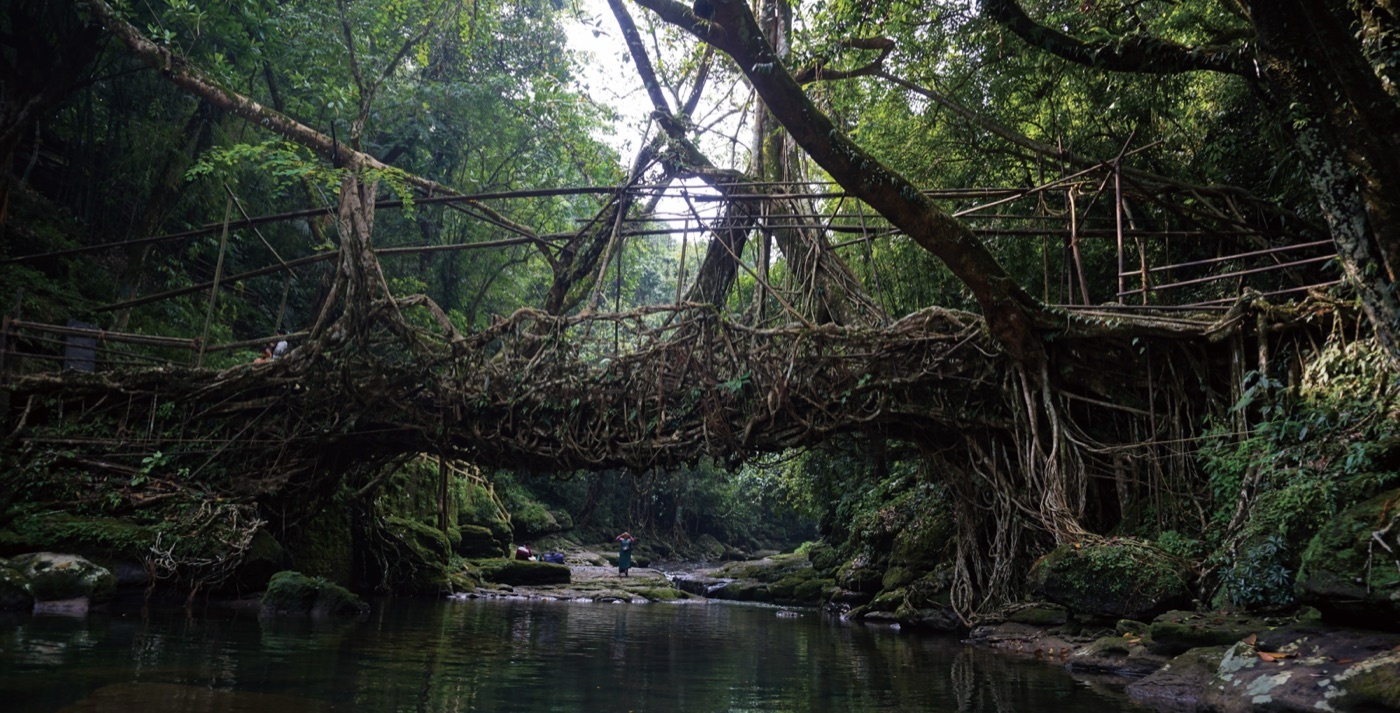
Another encounter was the “Living Root Bridge” in Cherrapunji, said to be the rainiest village in the world. Ordinary bridges get washed away or rot when floods come, but this bridge, woven from living tree roots, doesn't wash away because the roots grip the ground, and doesn't rot because it's alive. Looking at vernacular architecture, you can sense the materials, climate, history, and even the daily life of a place. It felt as if the way a place lives showed through the architecture itself.

A bridge made of living tree roots in Cherrapunji, India

Interesting things and stories can surely be found anywhere

Some might think, “Sure, but that's because it was India.” I don't think so. Wherever people live, there is a way of life, and where there is a way of life, some kind of form is always born. Even if it feels ordinary — or even a nuisance — to locals, to an outsider's eyes there is surely an unexpected kind of fascination.

I call this a “seed.” Every single thing and story in a place is a seed. For the people who live there it's buried in daily life, but it is definitely there.

So I want to visit many places to look for those seeds. I want to give what I find back to the community, reshaped a little through making and design, or seen from a different angle. I believe that accumulating such moments draws out a place's charm, connects people, and creates new ways of relating to a community. That's why I started Tabisuru Makers Lab — traveling and making things along the way.

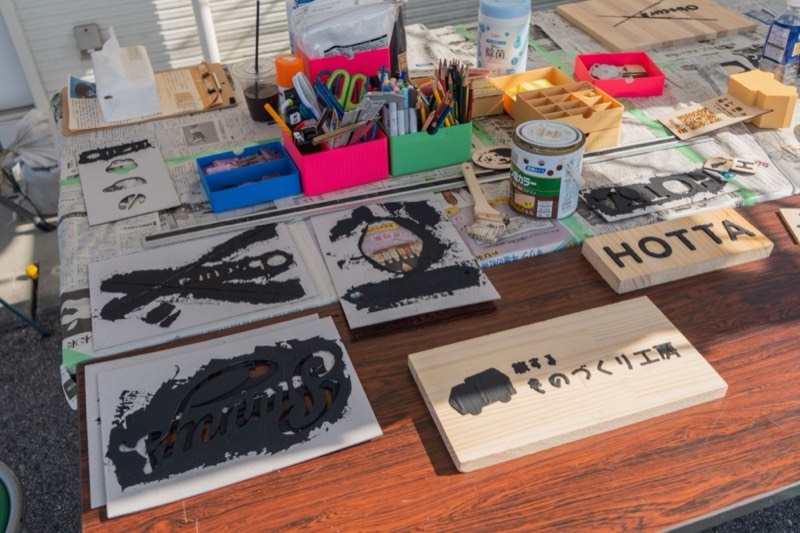
A desk at the black plaster sign-making workshop, with stencils printed in black plaster and a wooden sign with the Tabisuru Makers Lab logo

Nagahama, Shiga
The Black of Kurokabe! Let's Make Signs with Black Plaster (August 2026)
Philosophy

Anything already around us can become something more exciting — just by looking at it a little differently, or adding a little something. Society is full of seeds waiting to bloom into excitement. My goal is to find those seeds, nurture them, and help that excitement bloom.

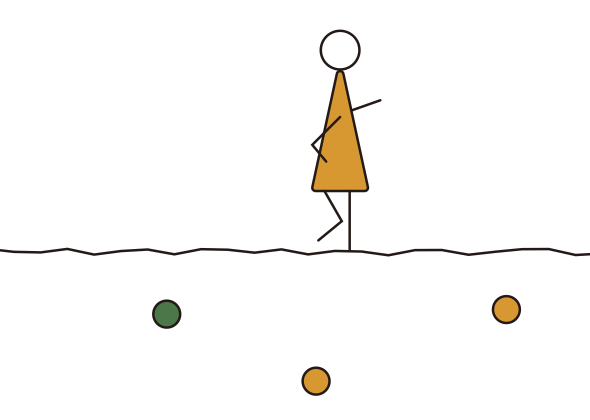
  1. 1. Find a seed

    Through walks and fieldwork,
    I look for the things and moments that could become seeds.

    A person walking and looking for seeds, and a seed buried in the ground
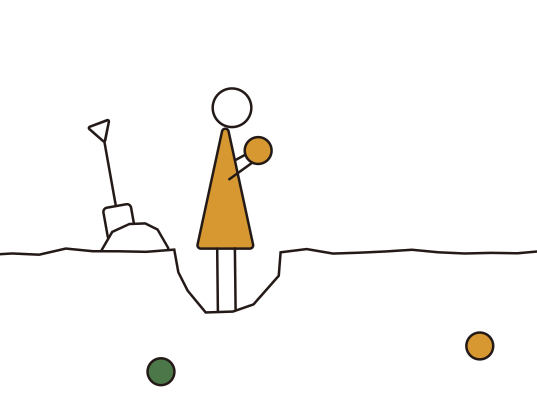
  2. 2. Hold the seed

    I research and sketch,
    observing that seed closely.

    A person holding a seed dug up with a shovel
  3. 3. Grow the seed

    Using the seed as a starting point,
    I prototype and design.

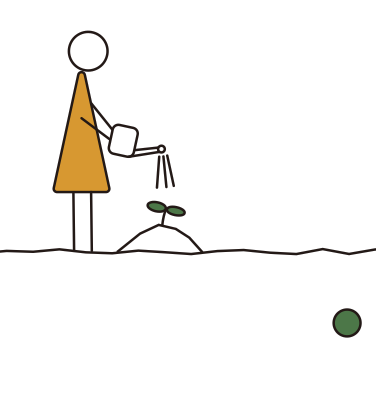
    A person watering a seed with a watering can, and a new sprout
  4. 4. Bloom the excitement

    I create new things and experiences that spark excitement,
    for anyone who knows the seed and anyone who doesn't.

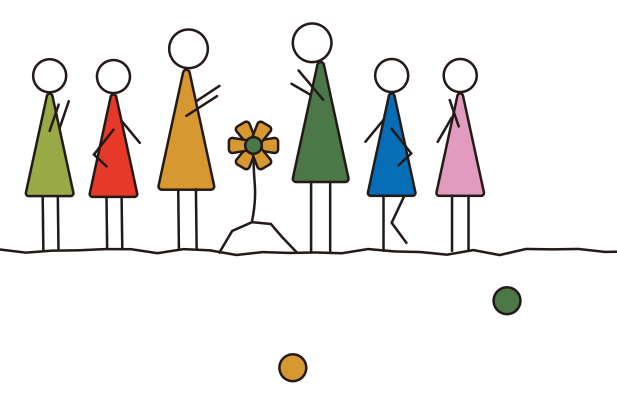
    Colorful people gathered around a blooming flower

Click the seeds and pick them up!Tap the seeds and pick them up!

My aims

What Tabisuru Makers Lab aims for

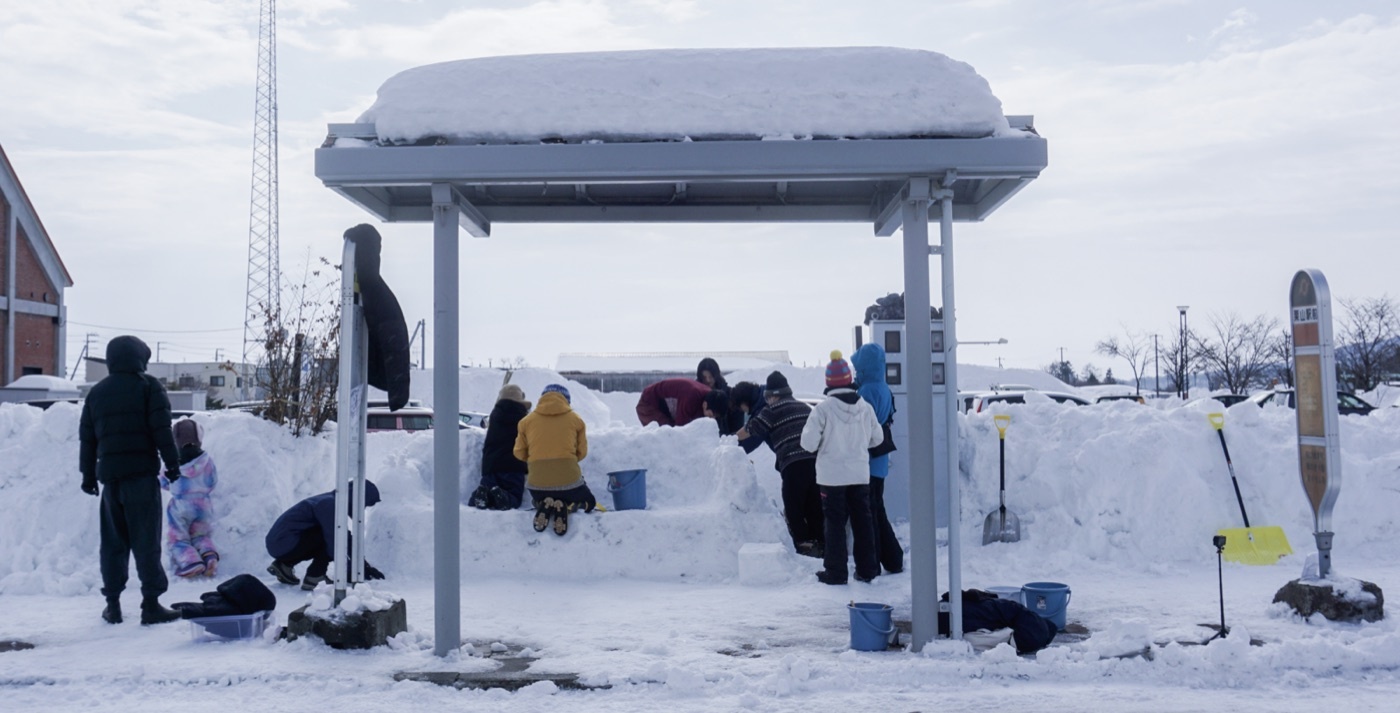
Residents building a snow bus stop
01

Rediscover places through an “outsider's” eyes

Some things are ordinary to locals but exciting to people from outside — outsiders. The “Snow Bus Stop Project” I ran in Kuriyama, Hokkaido began by looking at snow, a nuisance to residents, from an outsider's view and reimagining it as a material for making.

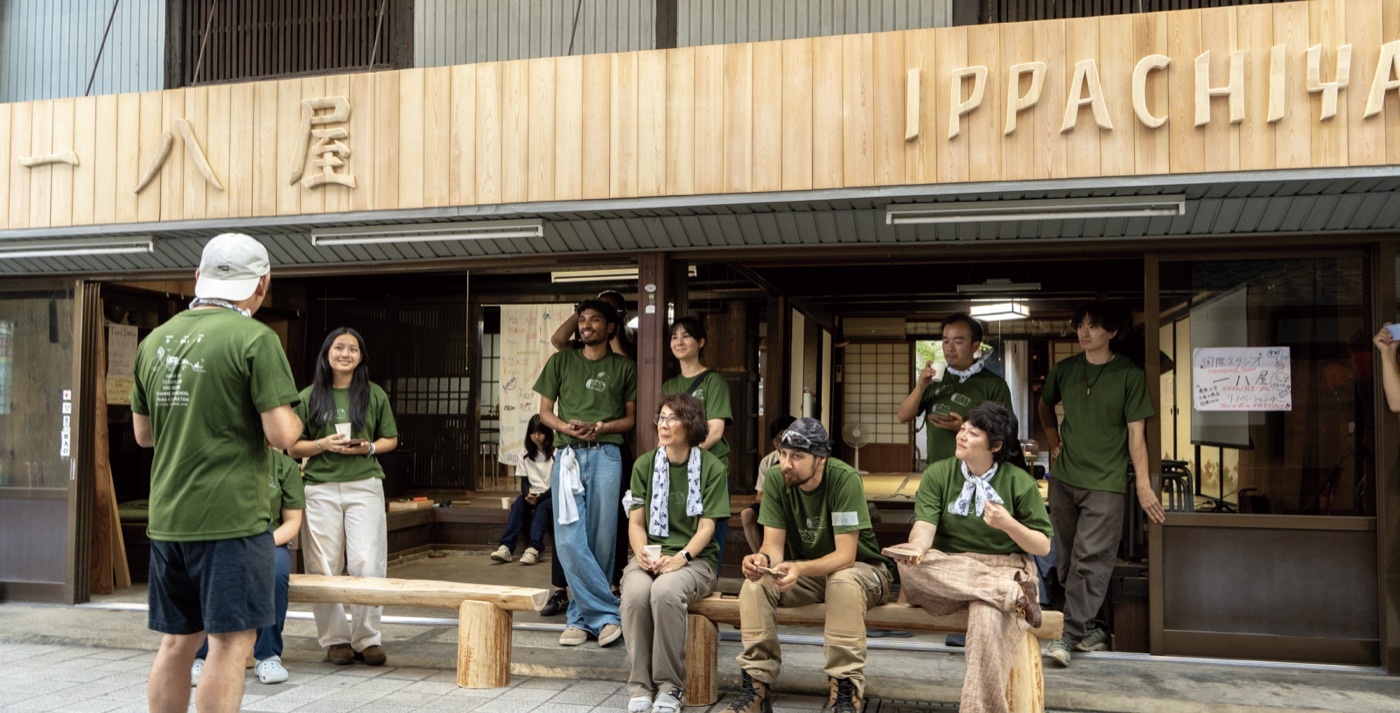
Workshop participants
02

A way to relate to a place that is neither settling nor sightseeing.

Many regions in Japan today face depopulation and shrinking populations. Programs like the Community Revitalization Cooperator system and relocation support are spreading, and lifestyles and jobs based in rural areas are increasing — I think they have some effect. But there are countless communities, not every municipality can adopt such programs, and “living in one place forever” itself will surely become harder in the years ahead.

That's why I'm exploring whether a way of relating to communities as an outsider on the move — neither settling nor passing through as a tourist — could become one form of community building and regional revitalization.

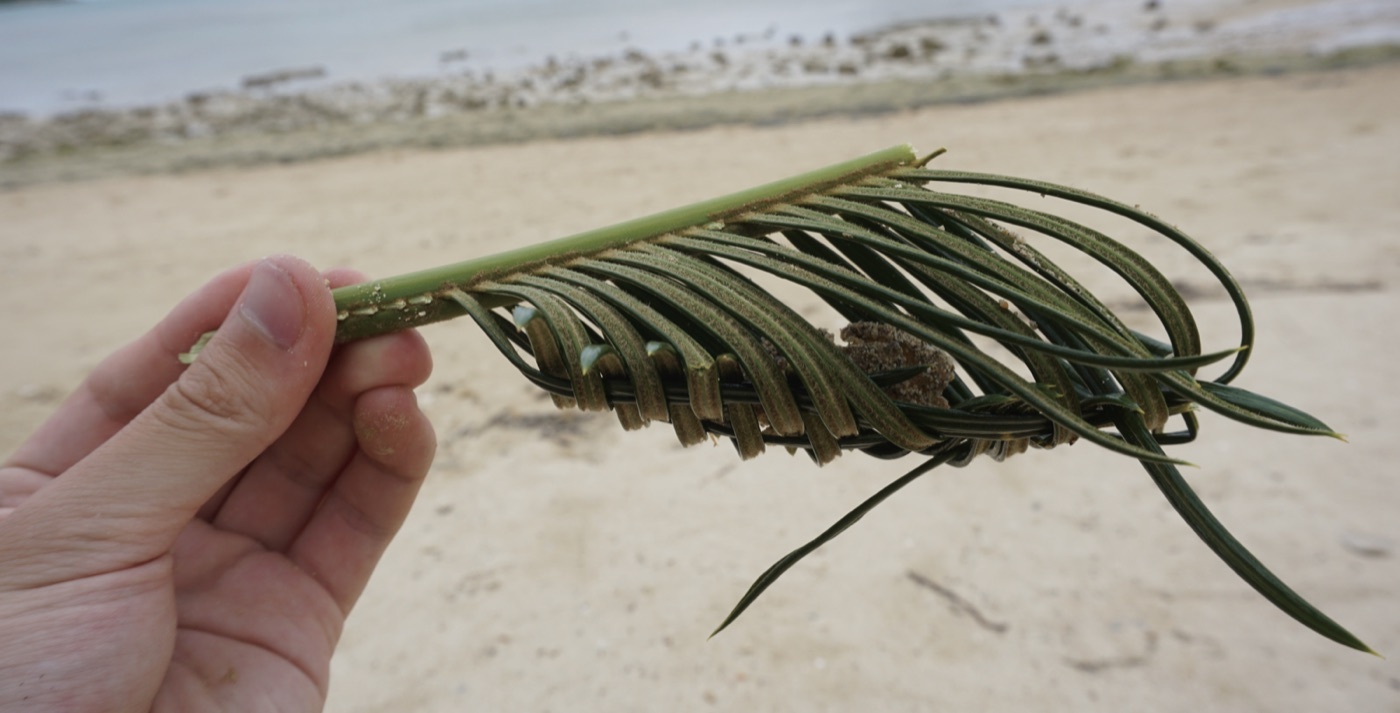
Holding a woven grass toy made from palm leaves on a beach in Okinawa
03

Traveling across Japan, from north to south, while making things

With a mobile workshop loaded with making tools, I visit communities across Japan. The image is: from Hokkaido to Aomori, then gradually south, and finally to Okinawa. Rather than staying in one place, I want to dig up seeds in many communities, and eventually carry what I did in one place to another and combine them.

Founder, Tabisuru Makers Lab
Hiro Namekawa (Tabisuru Makers Lab)

Hiro Namekawa

2nd year Master's Student, Graduate School of Media and Governance, Keio University
Member of the Kobayashi Hiroto Lab

Since childhood I've been absorbed in making — origami and crafts — and my passion accelerated when I encountered “FabLab Kamakura” in my second year of junior high. At Keio University's Faculty of Environment and Information Studies I studied architecture and community building, and I now research how to create things and stories that feel true to a place, through fieldwork and practice in Japan and abroad, at the Kobayashi Hiroto Lab, Graduate School of Media and Governance, Keio University.

Want to know more about my activities?

Take a look at my past projects and the inside of the workshop.